Introducing the VoWoCo Skill Matrix
What skills do women entrepreneurs really need today? What does it really take to build, sustain, or relaunch a business as a woman today?
The VoWoCo Skill Matrix offers an evidence-based answer, built from research in Hungary, Italy, Portugal, and Türkiye. It helps make visible the capabilities, challenges, and development needs that shape women’s entrepreneurial journeys across different national contexts.
Explore the key findings, discover where women entrepreneurs face the biggest challenges, and see how these insights are being turned into practical support tools.
01
What it is
The VoWoCo Skill Matrix is a practical framework that maps the key entrepreneurial skills identified through the project’s research process. Rather than offering a generic list of business competences, it reflects the real experiences of women entrepreneurs navigating complex, resource-constrained, and often gendered environments.
The matrix is designed to support women entrepreneurs, mentors, trainers, researchers, and decision-makers. It can be used to better understand entrepreneurial readiness, identify skill gaps, and inform more targeted support measures.
02
Why this matters
Starting, growing, or relaunching a business is rarely just a professional journey. For many women, it also means navigating caregiving responsibilities, limited access to networks, structural bias, financial pressure, and the constant need to prove credibility in environments that were not designed with them in mind.
The VoWoCo Skill Matrix was created to make these realities visible. It helps show which skills women entrepreneurs draw on most often, where support is most needed, and why entrepreneurial success cannot be reduced to business planning alone.
03
How it was developed
The Skill Matrix was developed through a multi-step research process across four countries. First, VoWoCo conducted focus group discussions with women entrepreneurs, women returning to the labour market, and women in leadership roles, using a shared cross-national research design.
In total, 36 women participated in the focus groups, with nine participants in each country. Their responses were analysed through six iterative coding rounds, resulting in 66 first-order skills, 17 second-order skill themes, and four overarching skill-set dimensions.
To strengthen the findings, the project also carried out labour market analyses in all four countries and compared those results with the focus group evidence. Finally, the Skill Matrix was validated by 22 international experts from academia, the private sector, NGOs, and public institutions, confirming its relevance and robustness.
04
Key findings
The research reveals a clear pattern: relational and social skills emerge as the strongest pillar in the entrepreneurial capability model, accounting for 35.2 percent of the findings. This is followed by management and operations at 29.6 percent, personal and behavioral skills at 19.8 percent, and cognitive and strategic skills at 15.4 percent.
Among the most important themes are networking and social capital, self-regulation and drive, strategic planning, adaptive leadership, and gender-institutional navigation. At the individual skill level, the most frequently cited competences include strategic mapping, individual domain expertise, relational empathy, navigating laws, and resilience.
Thematic Skill Areas
17 broader themes distilled from 65 individual skills.
Networking & Social Capital
Covers the connections and social support that help founders gain trust, guidance, and opportunities.
Opportunity Recognition
Covers the ability to sense market shifts, connect the dots, and recognise promising business opportunities.
Talent Management
Builds the team side of your business: delegating, resolving intergenerational friction, setting merit-based systems, and curating development.
Self-Regulation & Drive
Maps the inner drive and resilience that help founders adapt, stay focused, and keep going through change.
Strategic Planning
Turns vision into action through clear planning, careful judgement, and the ability to move forward under uncertainty.
Adaptive Leadership
Keeps founders flexible so they can adjust, lead through change, and respond to new challenges with confidence.
Managing Family Businesses
Covers the unique responsibilities and relationships involved in running a family business across generations.
Innovation & Creativity
Turns ideas into practical, user-focused solutions through creativity, design, and early testing.
Technical Digital
Covers the digital tools and technical skills founders need to work smarter, automate tasks, and make better use of data.
Human Capital Optimization
Focuses on using knowledge, experience, and team strengths in the smartest possible way.
Financial Management
Covers the financial skills needed to fund a business, manage money well, and plan for growth.
Social Adaptability
Covers the ability to read social situations well, relate to others, and respond wisely to different expectations.
Resilience Management
Covers the ability to stay strong, recover from setbacks, and keep moving forward through rejection and pressure.
Market Expansion & Scalability
Covers the skills needed to grow a business, adapt to new markets, and scale in a way that works in practice.
Gender-Institutional Navigation
Covers the ability to manage gender-related barriers, balance care and work, and find the right support to move forward.
Ethical & Social Governance
Refers to the ability to build a business that balances ethical choices, social impact, sustainability, and long-term viability.
Legal & Compliance
Refers to the ability to understand contracts, follow regulations, and handle legal requirements with confidence.
Four Main Capability Pillars
A validated structure built from 65 skills across 17 themes.
05
What women told us
The Skill Matrix is rooted in the lived experiences of women across four countries. Participants described entrepreneurship not only as opportunity-building, but also as a process of adaptation, survival, negotiation, and personal transformation.
Their stories point to recurring realities: building trust takes time, legal and institutional systems are often difficult to navigate, balancing work and care is exhausting, and confidence can be challenged in male-dominated sectors. At the same time, women also described strong capacities for resilience, empathy, relationship-building, and strategic adjustment.
Explore the key findings
A concise visual overview of the VoWoCo research findings, with the main insights from four countries and the key skill areas women entrepreneurs named as most important.
Country perspectives
The Skill Matrix also highlights that women entrepreneurs do not face the same realities in every country. While the framework is shared, the emphasis of different skills changes across contexts.

Psychological Capital
Hungary shows a psychologically intensive profile, where self-awareness, identity adjustment, and career transitioning are especially important in response to limited social capital.

Signature competencies:
- Self-Regulation & Drive
- Adaptive Leadership
- Strategic Planning
Key gaps:
- Family Enterprise
- Resilience Management
- Technical & Digital

Social Capital
Italy stands out for its relationally embedded profile, with strong emphasis on community networking and relational empathy, reflecting the importance of social ties in entrepreneurial success.

Signature competencies:
- Networking & Social Capital
- Self-Regulation & Drive
- Gender-Institutional Navigation
Key gaps:
- Innovation & Creativity
- Family Enterprise
- Ethical Governance
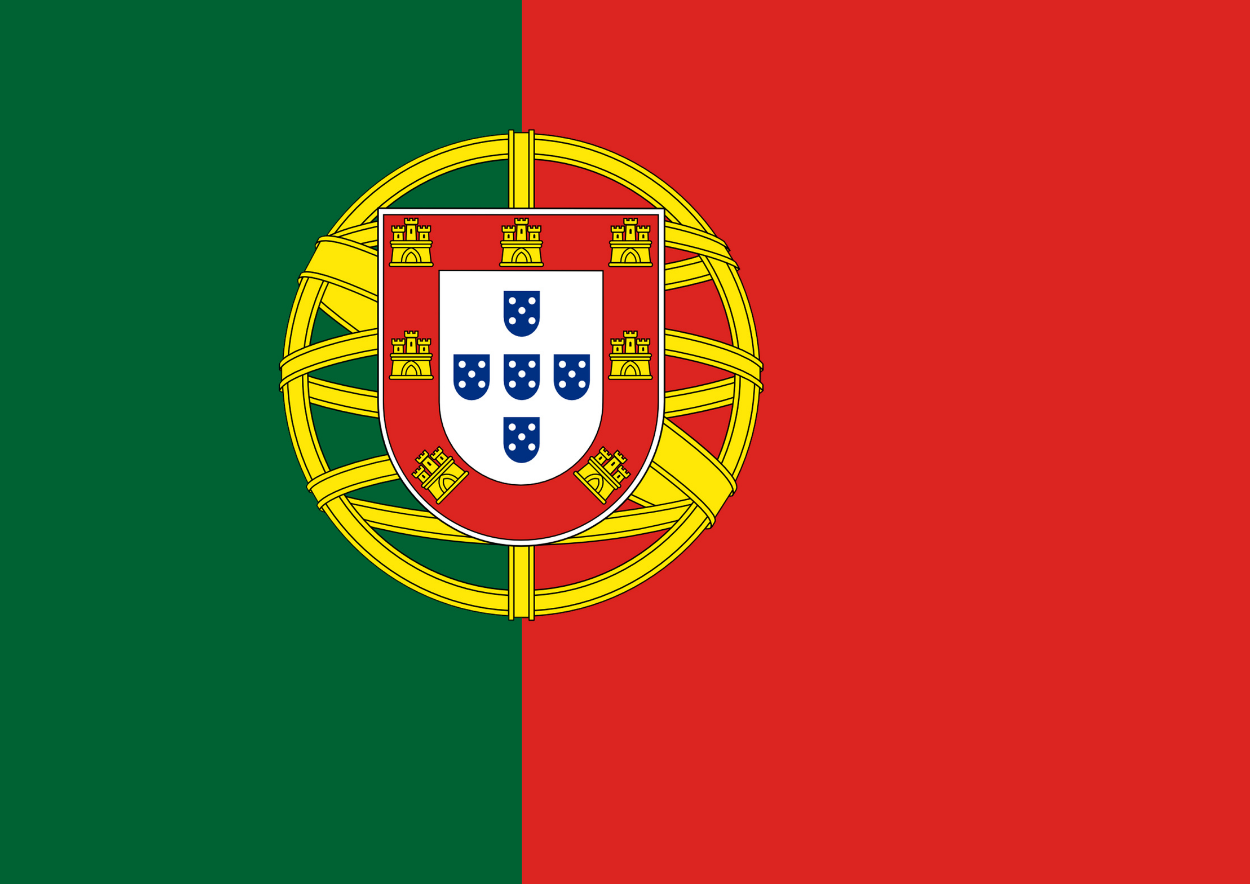
Institutional Capital
Portugal presents an institutionally structured profile, where strategic mapping, uncertainty management, and practical decision-making play a particularly strong role.

Signature competencies:
- Strategic Planning
- Networking & Social Capital
- Adaptive Leadership
Key gaps:
- Talent Management
- Opportunity Recognition
- Family Enterprise
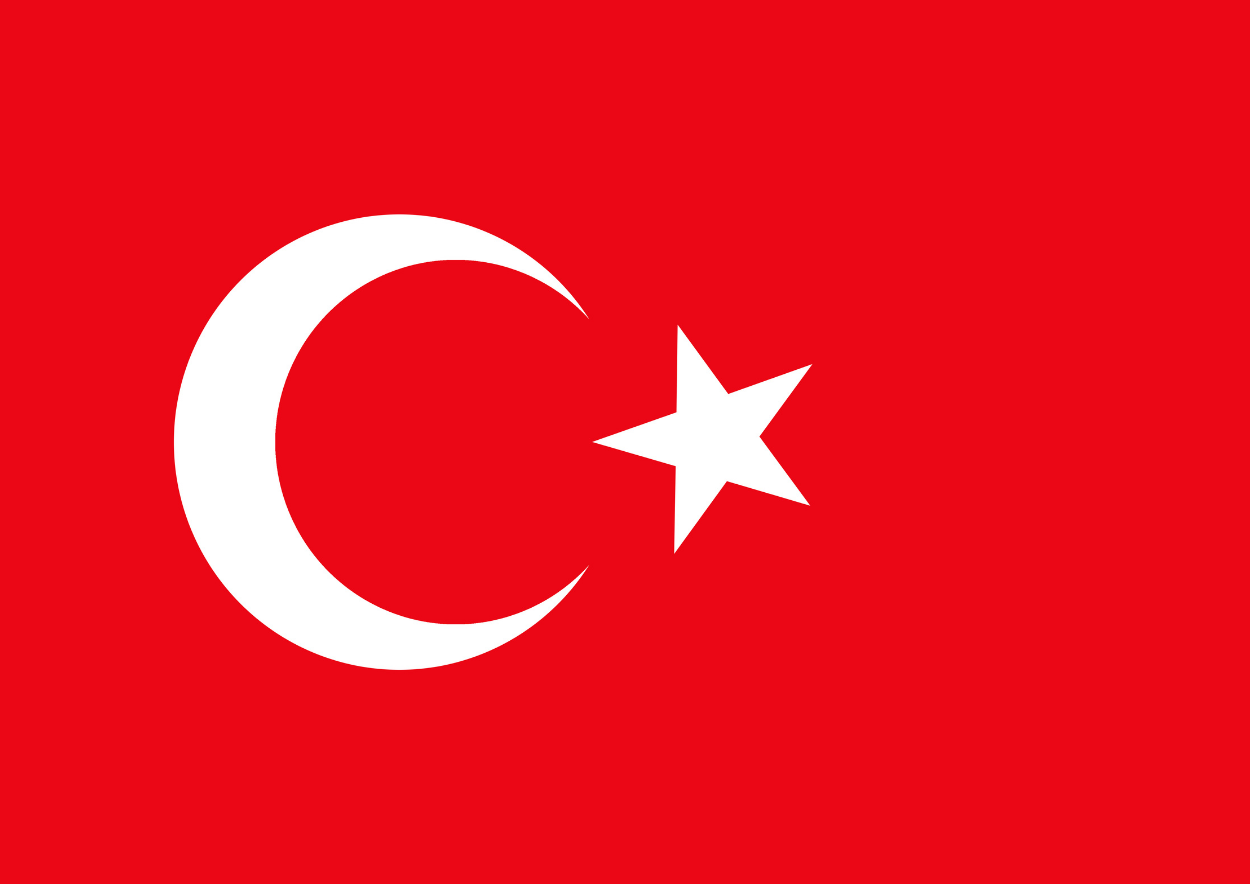
Opportunity Capital
Türkiye shows an opportunity-driven profile, characterised by strong market alertness, high risk-taking, and emerging digital strengths such as data visualisation and prompt engineering.

Signature competencies:
- Networking & Social Capital
- Self-Regulation & Drive
- Technical & Digital
Key gaps:
- Talent Management
- Legal & Compliance
- Adaptive Leadership
06
What this means for your journey
The Skill Matrix is not a test you pass or fail. It is a tool to help you reflect on where you are strong, where you may need support, and which capabilities are most important at your current stage.
For some women, the priority may be networking and visibility. For others, it may be self-confidence, strategic planning, legal awareness, financial discipline, or resilience in times of uncertainty. The key message is that entrepreneurial development is not one-size-fits-all, and your context matters.
The Skill Matrix is not only a research output. It is designed to do more than describe entrepreneurial realities and tt is also a practical tool for designing better support for women entrepreneurs. Its findings help shape targeted training and mentoring interventions within the VoWoCo project.
The matrix also provides the foundation for an online learning module that will be made available free of charge. In this way, the research is translated into accessible and practical support that women entrepreneurs can use in their own development journeys.
This means the research is not the endpoint. It is the foundation for tools that can help women entrepreneurs strengthen core capabilities, identify priority areas for growth, and access more relevant guidance.
Read the full report
A concise visual overview of the VoWoCo research findings, with the main insights from four countries and the key skill areas women entrepreneurs named as most important.
07
From research to online learning
This VoWoCo research will also lead into a future online course. Built on the Skill Matrix, it will offer practical learning modules linked to mentoring, helping women entrepreneurs strengthen key skills step by step in a clear and accessible way.
The training modules will be integrated into the mentoring process of the project, so monthly work can be organized around key themes of the online course. In this way, the learning materials and the mentoring practice will stay closely connected and support each other throughout the programme.
The online training will be designed in a practical, easy-to-follow format. Each module will combine short theoretical explanations with exercises, interactive tasks, videos, and knowledge checks, so participants can both understand the topic and apply it in practice. The course will be available in five languages — English, Hungarian, Italian, Portuguese and Turkish — to make it accessible across all partner countries.
Planned training modules
- Gender-Institutional Navigation
- Networking & Social Capital
- Self-Regulation & Drive
- Opportunity Recognition
- Adaptive Leadership
- Strategic Planning
- Innovation & Creativity
Want to learn more about the VoWoCo project?
Discover how we support women entrepreneurs through research, skills development, and mentoring.
Explore the course
The VoWoCo online learning course is currently in development and is expected to begin rolling out from late 2026, with multilingual access expanding into early 2027. Sign up to stay informed and be among the first to explore the platform when it becomes available.